

 As the trend of working from home shifts from a temporary measure to a long-term lifestyle for many, the significance of cultivating a secure and stimulating living environment skyrockets. Our dwellings have evolved beyond places for mere relaxation post-work; they are now our offices, our creative studios, and our recreational havens. This multifaceted role of our homes accentuates the necessity of creating a sanctuary that not only safeguards our physical well-being but also fortifies our mental health, stimulates creativity, propels productivity, and fosters personal development. Amidst this transformative era, a subtle yet crucial aspect that may be stealthily impacting our well-being is the presence of unseen toxins. These invaders are pervasive in the air we inhale, the food we consume, and the everyday items we utilize, often without our conscious acknowledgment. It’s time to turn the spotlight on these hidden hazards and explore methods to revamp our homes into zones that promote not only wellness but also a dynamic living and working environment.
 Envision the break of day when you groggily make your way to the bathroom and the kitchen, engaging with water in its most intimate forms—cleansing your face, brushing your teeth, and preparing the sacred morning brew. This elemental ritual, often performed without much thought, revolves around the quality of water which directly interfaces with our body—our largest organ. From the source to your tap, water embarks on a voyage through a network of pipes where it may accumulate a myriad of toxins, including chemicals, heavy metals, and pollutants. These unwelcome additions have the potential to subtly compromise your health. Water’s role is deeply integrated into our physiological functions—it’s essential for skin health, serving as both a barrier and an indicator of our internal well-being, and it’s vital for organ efficiency. Water is a key player in your body’s detoxification processes, aiding in digestion, circulation, and nutrient absorption. Recognizing the importance of water quality is not a trivial matter; it’s a critical component in the complex journey towards maintaining health and wellness in our homes. We invite to read more about water filtration systems on our blog.
 The purity of the air within our living spaces is an indispensable factor that impacts our health, our ability to rest soundly, and our work efficiency. Indoor air quality is often a neglected aspect, even though it significantly influences our day-to-day living. Contaminants such as dust, mold, pollen, and volatile organic compounds (VOCs), arising from ordinary activities and products, can fill our homes unbeknownst to us. These pollutants carry implications for our respiratory health, cognitive functions, and general comfort. To improve indoor air quality, strategies such as leveraging the benefits of natural ventilation can be pivotal. Opening windows during times when outdoor pollution is at a low, particularly in traffic-dense locales, can mitigate the intrusion of external pollutants. Additionally, understanding your local air quality forecasts and pollen counts is essential to ensure that the practice of airing out your home does indeed enhance its indoor air quality. Furthermore, exploring an evaluation of your home’s air quality by testing for common pollutants can provide a foundational knowledge of your indoor air environment and uncover areas for enhancement. For individuals especially sensitive to air quality, including those with allergies, asthma, or other respiratory conditions, the introduction of an air purifier can be transformative. Air purifiers that incorporate HEPA filters excel in trapping a spectrum of airborne particles, effectively diminishing the load of indoor pollutants and forging a path for enhanced well-being, more peaceful sleep, and increased productivity. By prioritizing air quality in our living spaces, we set the stage for improved health and an enriched quality of life, emphasizing the significance of being attentive to the air we breathe indoors.
 In our personal care routines, cosmetics are more than tools for enhancement; they are artifacts of self-expression, mood, and culture. However, hidden beneath the aesthetic pleasure they provide is a potential for harm in the form of their ingredients. The ritual of layering skin care, applying makeup, and using fragrances involves exposure to a variety of chemicals. Our skin, a significant barrier and absorptive organ, is at the mercy of these substances, which include known endocrine disruptors like phthalates and parabens. These compounds can mimic or interfere with the body’s hormones, such as estrogen and testosterone, and have been linked to various health issues. The accumulation of these substances in our bodies over time could potentially lead to adverse health effects. To combat these risks, it is advisable to gravitate towards higher-quality, natural cosmetic products that prioritize safety and wellness. Technology can also play a pivotal role in helping consumers make informed decisions; apps like Yuka provide the means to scan cosmetic products and evaluate their ingredients, bringing to light the potential risks associated with each component. This approach not only fosters healthier choices but also promotes transparency and awareness in the beauty industry, nudging us towards products that contribute to our overall well-being.
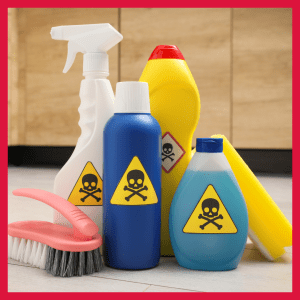 Our pursuit of immaculate homes often involves reaching for powerful cleaning agents whose effectiveness is undeniable. Yet, within these potent concoctions lie cautionary tales; symbols and warnings that reveal the potential risks to our health and the air we breathe. It’s a stark reminder that our cleaning efforts should not compromise the sanctuary we strive to create. The air within our homes can become contaminated with volatile organic compounds (VOCs) and other harsh chemicals emanating from traditional cleaning products. This type of pollution doesn’t simply dissipate—it lingers, amalgamating with the air we inhale and potentially leading to health issues ranging from respiratory discomfort to skin irritation. It is abundantly clear that our choices in cleaning products are inextricably linked with the quality of our indoor environment. Fortunately, the market is evolving to include a plethora of store-bought natural alternatives that are both effective and benign. When selecting these products, a thorough examination of the ingredient list is imperative. Hazard symbols are a clear indication that caution is warranted with use. Choosing products devoid of these warnings is a straightforward step towards a clean home that is genuinely conducive to health. In this shift towards healthier alternatives, every selection becomes an act of care—for ourselves, our loved ones, and the environment that envelops us.
 The kitchen is a critical battleground in the fight for healthier living. The decisions we make there extend beyond our food choices to include how we store and prepare our meals. The shift from plastic to glass for food storage and the use of stainless steel or cast iron cookware can significantly minimize our exposure to harmful chemicals. This change isn’t simply a matter of convenience or aesthetics; it is a deliberate commitment to shielding our health from the unseen dangers lurking in our kitchens. Transitioning away from plastic, which can contain chemicals like BPA that may leach into food and beverages, particularly when heated, to inert materials like glass, ensures that our nourishment remains pure. Likewise, reevaluating our cookware choices is essential. Many non-stick surfaces are treated with PFOAs (perfluorooctanoic acids), which have raised health concerns. By opting for stainless steel, ceramic or cast iron, we not only eliminate the risk of these substances contaminating our food but we also invest in durable cookware that can withstand the test of time, fostering sustainability and reducing waste.
Discover more from My Well-Being Team
Subscribe to get the latest posts sent to your email.